OpenAI unveils data center pledge after the midterms: what ‘responsible AI infrastructure’ means
OpenAI says it will pay for the electricity and infrastructure its data centers use, make a water plan for each site and create local jobs. Here's what it announced and why now.

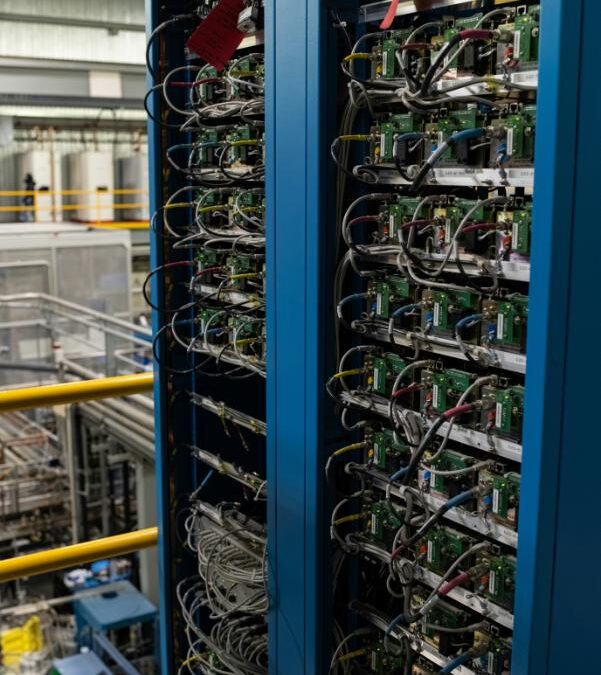
Data centers have become one of the most debated parts of the AI boom, and this week the debate got louder. On Thursday, November 5, OpenAI announced a new set of data center policies it calls “responsible AI infrastructure“. The timing is notable: it came right after midterm elections in which data centers were a contested issue in some states. Here is what OpenAI said and what to watch.
What did OpenAI announce?
According to ABC News, which summarized OpenAI’s blog post, the company made several commitments for its facilities:
- Pay for its power: a vow to pay for all of the electricity and infrastructure its data centers use.
- A water plan for each site: a plan for every location that aims to “protect local resources.”
- Local jobs and business: to create opportunities for local workers and businesses.
These are promises from the company, not legal requirements. We have not seen the full list of details, such as how the commitments will be measured or reported, so read OpenAI’s own post for the specifics.
Why is this happening now?
Local opposition to fast data center growth has been rising. Residents and officials in several states have raised concerns about electricity bills, water use, land and noise. Reuters reports that Democrats won races in some key data center states on Tuesday, including Texas and Ohio, and that investors now worry about possible tighter rules. Some political figures have gone further. Senator Bernie Sanders has called for a national moratorium on new data centers.
The market reaction was sharp. Chip and data center stocks dropped on Thursday, and the Nasdaq entered a correction. We cover that in our market report. OpenAI’s announcement landed the same day, which suggests the industry wants to answer public concerns before new rules are written.
Two views on the issue
- Supporters of tougher oversight say communities should have a say, and that companies using large amounts of power and water should cover the cost of the grid and resources they need so that households are not left paying.
- Industry and its supporters say new data centers bring investment, tax revenue and jobs, and that the US needs fast expansion to stay competitive in AI.
Voluntary pledges such as OpenAI’s may satisfy some critics and not others. Many people will want to see them in contracts, local agreements or law.
What does it mean for residents near a data center?
If a data center is planned or already operating near you, these questions are worth asking local officials and the company:
- Who pays for new power plants, lines and upgrades, and could it affect my electricity bill?
- How much water will the site use, and what is the water plan?
- How many permanent jobs will be created, and how many are only temporary construction work?
- Are the promises written into a binding agreement, and who checks them?
What to watch next
- Whether other AI and cloud companies announce similar pledges.
- Whether lawmakers or state regulators turn these ideas into rules.
- How investors react as policy details emerge. For background, see our report on the tech stocks sell-off and AI spending.
Frequently asked questions
What did OpenAI promise?
To pay for all the electricity and infrastructure its data centers use, to create a water plan for each location, and to create opportunities for local workers and businesses.
Are these promises legally binding?
They are company commitments announced in a blog post, not laws. Check OpenAI’s post and local agreements for details.
Why did OpenAI announce this now?
The company did not tie it to one event, but it came days after midterm elections in which data centers were a contested issue and as chip and data center stocks fell on fears of tougher rules.
Will data centers raise my electricity bill?
It depends on the local utility and the agreements in place. This is why residents are asking who pays for new power infrastructure.