AI sell-off spreads to Asia: Taiwan and Japan stocks enter a bear market and South Korea halts trading
Taiwan's Taiex had its biggest point drop ever, Japan's Nikkei fell as much as 7.1% and South Korea triggered a circuit breaker as the AI sell-off hit Asia's chip-heavy markets on Friday.

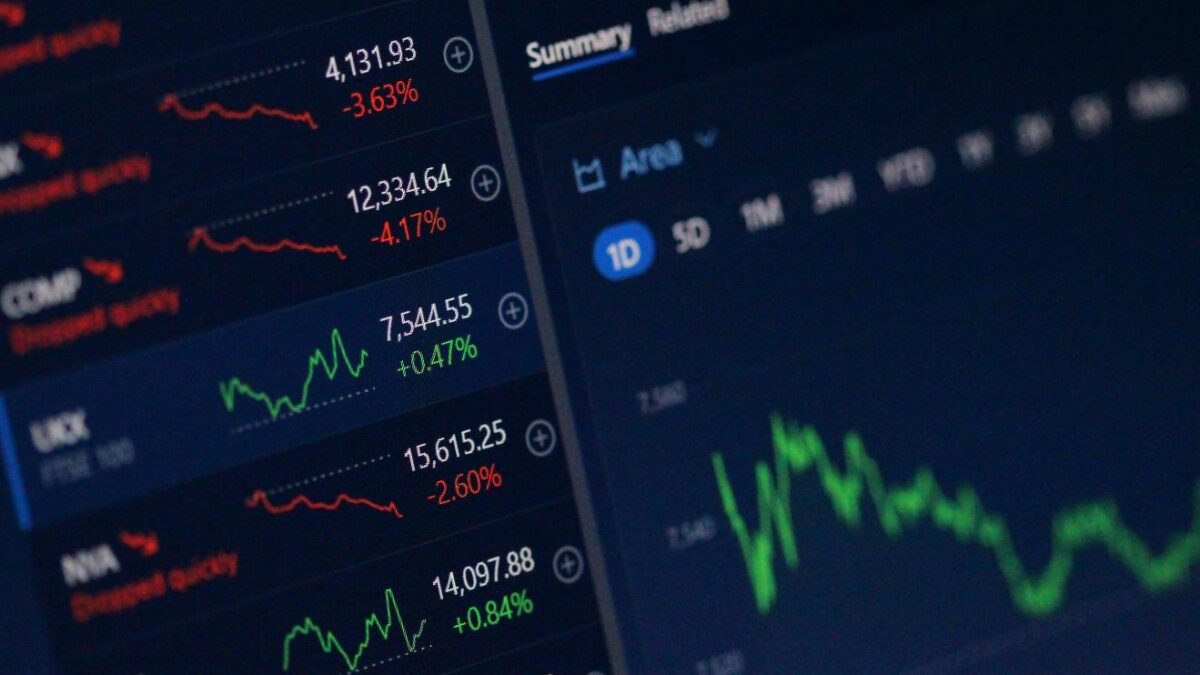
The AI chip sell-off that hit Wall Street on Thursday spread across Asia on Friday, November 6. Asia makes much of the world’s chips, so its markets are heavily tied to AI demand. Here is what happened, in plain language, and what it may mean.
What happened in Asia?
- Taiwan: the Taiex suffered its largest intraday point drop in history, sinking as much as 3,737 points (nearly 9%) before closing down 4.51% at 39,701.64. More than 1,600 stocks hit their 10% daily limit at one point. TSMC opened at its limit-down price and closed down 4.69%. The Taiex is down about 12% this week after seven straight losing sessions.
- Japan: the Nikkei 225 fell as much as 7.1% and dropped below the 60,000 level. The broader Topix fell as much as 6.5%, its steepest decline since April 2025. Memory maker Kioxia dropped 14%, while Advantest and SoftBank Group each lost more than 11%.
- South Korea: the Kospi plunged as much as 8.8% and slipped below 5,000, triggering a 20-minute circuit breaker, which pauses trading. SK Hynix sank as much as 12% and Samsung Electronics nearly 10%.
Taiwan’s and Japan’s indexes both fell 20% or more below their recent peaks, which is the usual definition of a bear market, according to Bloomberg. One bright spot was MediaTek, which opened at its limit-down price but recovered to close down only about 2% as investors favored its custom AI chips for cloud companies.
Why did it happen?
The selling began in New York on Thursday, when the Nasdaq Composite fell 5.52% and the Philadelphia Semiconductor Index lost 12.25%. Investors fear that Democratic wins in the US midterm elections will bring tighter oversight of AI and slow the construction of data centers, which drives orders for Asian chip and server makers. We covered the US side in our Nasdaq correction report.
Goldman Sachs strategist Timothy Moe told CNBC that investors were selling first and weighing the details later, and that a slowdown in the US buildout would hit demand and profits for Asian AI hardware makers. Strategists in Tokyo described the trading as panic selling. As in the US, no new law has been passed, and the moves reflect fear about what might come.
How did governments respond?
- South Korea: Finance Minister Lee Hyoung-il temporarily eased rules on retail investors’ leveraged trading.
- Taiwan: Premier Cho Jung-tai ordered the financial regulator to take steps to steady the market, and Reuters reported that state-owned banks were told to support it. President Lai Ching-te asked the public not to panic.
Investors also moved to safer assets: Japanese government bond yields fell and the yen strengthened past 158 per dollar. Europe held up better because it has less exposure to AI stocks, and the Bank of England raised interest rates. Bitcoin also gave back its post-election gains, with about $1.1 billion of leveraged bets wiped out, according to Saxo.
What does it mean for gadgets and prices?
A stock sell-off does not change what factories produce today. Memory makers such as Samsung and SK Hynix were hit hard, but the memory shortage behind high phone and laptop prices comes from real supply limits, and our report on Qualcomm’s warning shows the pressure on phone makers. If data center building slows for a long time, demand for memory could ease, but that would take months or years to show up in shop prices. That is our analysis, not a forecast from the companies.
What should ordinary investors do?
Corrections and bear markets are painful and often confusing, and nobody can predict the next move. This article is general information and not financial advice. Many advisers suggest avoiding panic selling if you invest for the long term, keeping investments spread across sectors and countries, avoiding borrowed money, and keeping an emergency fund. Local analysts in Taiwan advised bargain hunters to wait for prices to stabilize and to buy in stages. For personal advice, talk to a licensed adviser.
Frequently asked questions
What is a bear market?
A bear market usually means an index has fallen 20% or more from a recent peak.
What is a circuit breaker?
It is an automatic pause in trading after a sharp fall, meant to give investors time to react. South Korea’s lasted 20 minutes on Friday.
Why are Asian markets so exposed to AI?
Companies such as TSMC, Samsung, SK Hynix and Kioxia make the chips and memory that power AI, so their shares depend on data center demand.
Has any new AI rule been passed?
No. The sell-off reflects investor fears about possible future policy.