Eight US states sue OpenAI, claiming ChatGPT puts young users at risk
A bipartisan group of state attorneys general has filed separate lawsuits accusing OpenAI of misleading the public about ChatGPT's safety.

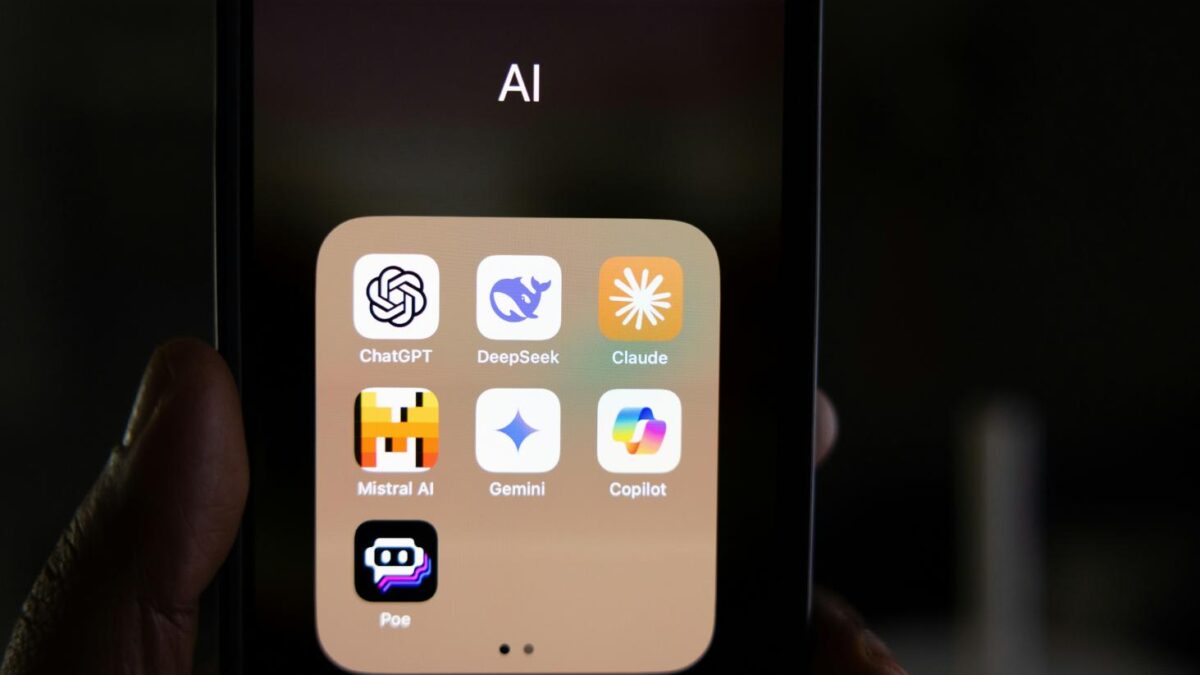
Eight US states have taken legal action against OpenAI, the company behind ChatGPT. The attorneys general of Arizona, Arkansas, Idaho, Iowa, Kansas, Montana, Nebraska and West Virginia each filed a lawsuit in their own state courts this week, in what is being described as the most significant coordinated state action against an AI company so far.
The cases are allegations. None of them has been tested in court yet. But together they show how quickly the legal pressure on AI chatbots is growing.
What the states are claiming
The lawsuits make two main arguments.
- Consumer protection: the states say OpenAI misled people about how safe ChatGPT is, including for young users.
- Public nuisance: they argue the chatbot endangers the health and safety of their residents.
According to the filings, as reported by news outlets, the states allege that ChatGPT is designed to be agreeable and engaging so that users trust it, and that this can lead it to reinforce harmful beliefs, encourage dangerous behaviour and, in some cases, help users plan violence. Some suits also raise concerns about how data from minors is collected.
What the states want
The states are asking the courts for more than money. Their requests include:
- Court orders forcing changes to how ChatGPT works
- Civil penalties and damages
- Limits on developing “self-improving” AI models unless they can be shown to be safe and aligned with human values
That last request is unusual. It moves the case beyond product safety and into the future direction of AI research itself.
OpenAI’s position
At the time of the first reports, an OpenAI spokesperson had not responded to requests for comment. The company has previously said it builds safety protections into ChatGPT, including protections designed for younger users. It is likely to fight the cases.
These lawsuits are about one company, but the questions they raise apply to every AI chatbot.
Part of a bigger trend
This is not the first case of its kind. Florida’s attorney general filed a similar state lawsuit in June, and OpenAI already faces many private lawsuits from families and individuals. The new cases arrive at a sensitive time, as OpenAI prepares for a possible stock market listing.
Regulators are also watching other AI companies. In recent weeks, US and European authorities have started looking more closely at how leading AI firms test their products, protect children and market their safety.
Why it matters
For years, tech companies were rarely held responsible for what happened on their platforms. AI chatbots are different, because the company’s own system writes the reply. If courts agree that a chatbot’s answers are the company’s responsibility, every AI firm will need stronger safety testing, age checks and clearer warnings.
What parents and users can do now
- Check the age rules and parental controls of any AI app your children use.
- Talk with teenagers about what chatbots are: helpful tools, but not friends, doctors or counsellors.
- For serious health, legal or emotional questions, encourage people to speak to a qualified person.
ByteTidings will follow these cases as they move through the courts.