Micron pauses work on its $4.5 billion Taiwan memory plant over a labor dispute: what it means for chip supply
Bloomberg reports Micron has all but halted construction of a $4.5 billion memory plant in Taoyuan, Taiwan, amid a pay dispute. Micron says current operations continue as usual.

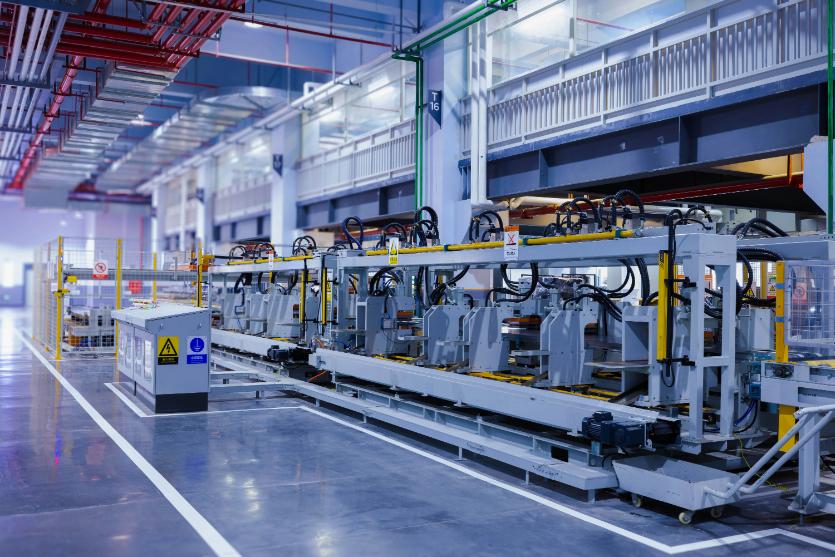
The world is short of memory chips, and one of the places meant to help fix that has run into trouble. Micron has reportedly almost completely stopped construction of a new $4.5 billion memory plant in Taoyuan, Taiwan, because of a pay dispute with workers. Here is what is known and what it may mean for the memory shortage.
What was reported?
According to Bloomberg, reported by the Taipei Times on Friday, November 6, Micron has all but halted construction at the Taoyuan site, with only limited safety work continuing. The sources asked not to be named because the discussions are private. The plant, known as Fab 11E, was planned to make high-bandwidth memory (HBM) and DRAM using top-end equipment from ASML.
Semiconductor trade publication DigiTimes reports that construction of a new cleanroom at the site has been paused since mid-October and that no restart date has been set. Micron has not made a public statement about the pause, and the Taoyuan city government said it had not been notified of a suspension.
What is the dispute about?
- The dispute is over bonuses and profit sharing, not base pay. Unions want Micron to put 15% of its operating profit into quarterly employee bonuses.
- In September, Micron announced rewards worth 35 to 68 months of pay for its roughly 15,000 employees in Taiwan, and it recently introduced a new quarterly bonus program tied to profits. Unions say that is not a substitute for a permanent profit-sharing system.
- In early October, 1,994 of the Taoyuan union’s 2,258 members voted to authorize a strike.
- Workers at the three big memory makers, Micron, Samsung and SK Hynix, have been pushing for a bigger share of the profits from the AI memory boom. The Taoyuan union and Micron were due to meet again on November 6.
What does Micron say?
Micron has said its current operations in Taiwan continue as usual and that it is confident of supplying customers without interruption. It also says it looks forward to reaching an agreement with its workers. Taiwan’s government has urged both sides to negotiate in good faith. Micron has invested close to $50 billion in Taiwan over three decades, and Taiwan reportedly accounts for around 60% of its global DRAM production, plus a large share of its HBM.
Why does it matter for the memory shortage?
AI data centers are soaking up memory, which has pushed up prices for phones, laptops and consoles. SK Hynix recently said the shortage could last through 2030 (see our memory shortage report). New factories are the main way to ease it, and they take years to build. A delay to a new Micron plant would push back extra supply.
That said, nothing reported so far shows a hit to chips already being made. The effect, if any, would be on future capacity, and it depends on how long the pause lasts. That is our reading of the reports, not a company statement.
What could this mean for you?
- Memory-driven price pressure on phones and laptops is unlikely to ease soon. See our guide on whether to buy a laptop now or wait.
- Phone makers are already feeling the squeeze, as Qualcomm warned this week.
- Markets are on edge. Memory stocks were hit hard in Friday’s Asian sell-off.
What to watch next
- The outcome of the November 6 talks between Micron and the Taoyuan union.
- Whether Micron confirms the pause or gives a restart date.
- Whether other memory makers face similar pay disputes.
Frequently asked questions
Has Micron stopped making memory in Taiwan?
No. Micron says its current operations continue as usual. The pause reported is for construction of a new plant.
Why are Micron workers in dispute?
Over bonuses and profit sharing. Unions want 15% of operating profit paid as quarterly bonuses and a permanent system.
What was the Taoyuan plant meant to make?
High-bandwidth memory and DRAM, used in AI servers and other devices.
Will this make phones and laptops more expensive?
The memory shortage already pushes prices up. A delay to new capacity could keep the pressure on for longer, but the reports do not show an immediate supply cut.
Sources
- Micron pauses work on US$4.5bn Taiwan plant after labor spat (Bloomberg via Taipei Times)
- Micron's $4.5 billion Taoyuan plant construction halted amid labor dispute (Tom's Hardware)
- Micron has paused a Taiwan cleanroom since October amid labor dispute (DigiTimes)
- Micron workers in Taiwan to strike as bonus talks with chipmaker fail (The Next Web)
- Micron nearly halts Taiwan plant construction over labor dispute (UA.News)