SpaceX delivers the space station’s final new solar wings and 40+ experiments
The CRS-35 cargo mission carries about 6,300 pounds of supplies, including the last pair of roll-out solar arrays that will power the ISS.

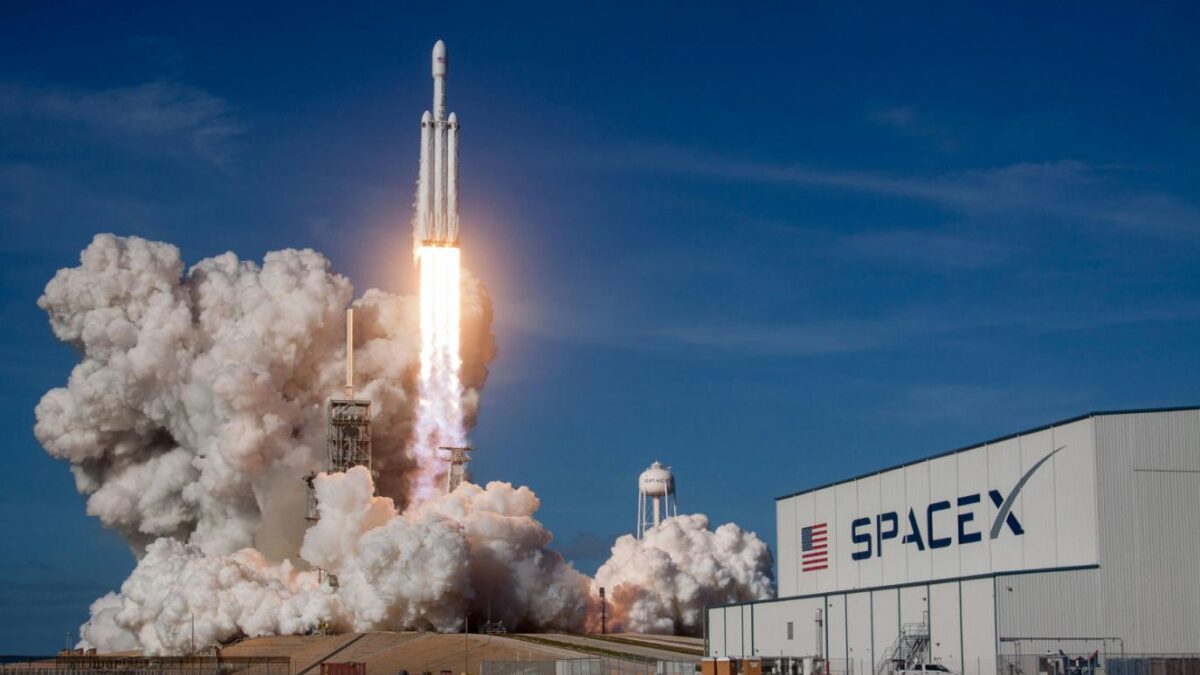
A SpaceX Falcon 9 rocket launched a Cargo Dragon spacecraft to the International Space Station (ISS) on October 13, 2026, at 6:33 a.m. EDT from Cape Canaveral, Florida. The mission, called CRS-35, is SpaceX’s 35th cargo delivery flight for NASA.
What’s on board
Dragon carries roughly 6,300 pounds (about 2,860 kg) of science equipment and supplies. The most important items are:
- The final pair of Roll-Out Solar Arrays (ROSA): new solar “wings” built by Redwire Space. Each can produce more than 20 kilowatts of power for over 10 years.
- Equipment for more than 40 scientific studies, including biology and plant science experiments and tests of a new type of glass.
- Food, supplies and spare parts for the crew.
Why new solar wings matter
The space station runs entirely on solar power. Its original solar panels have been working since the early 2000s, and like all solar panels they slowly lose efficiency over time.
The new ROSA panels are clever. Instead of folding out like a map, they are rolled up like a yoga mat and unroll in space. That makes them lighter and smaller to launch. They are installed in front of the older arrays to boost the station’s power supply.
This delivery is the fourth and final pair, completing a multi-year upgrade. Astronauts will install them during spacewalks.
More power means more science. Every experiment on the ISS depends on electricity from the Sun.
A reusable rocket, again
The Falcon 9 first stage used for this mission was flying for the eighth time. After launch, it returned and landed near the launch pad. Reusing boosters this way has dramatically cut the cost of getting cargo to space.
What happens next
Dragon was due to dock automatically with the station’s Harmony module about two days after launch, with NASA astronaut Anil Menon and Canadian Space Agency astronaut Joshua Kutryk monitoring its arrival. It will stay attached for about a month. Then it will return to Earth with finished experiments and other cargo, splashing down in the ocean.
Why it matters
The ISS is expected to operate until around 2030, when private space stations are planned to take over. Missions like CRS-35 keep the station productive in its final years. Research done there helps with everything from medicine to materials, and prepares astronauts for longer trips to the Moon and Mars.