Supermarket fridge cyberattack hits Europe: what happened and what shoppers should know
Hackers took control of supermarket fridges and freezers in Belgium, Sweden, Luxembourg and Estonia, heating some to 50°C. It's the second wave after France. Here's who was hit and what to know.

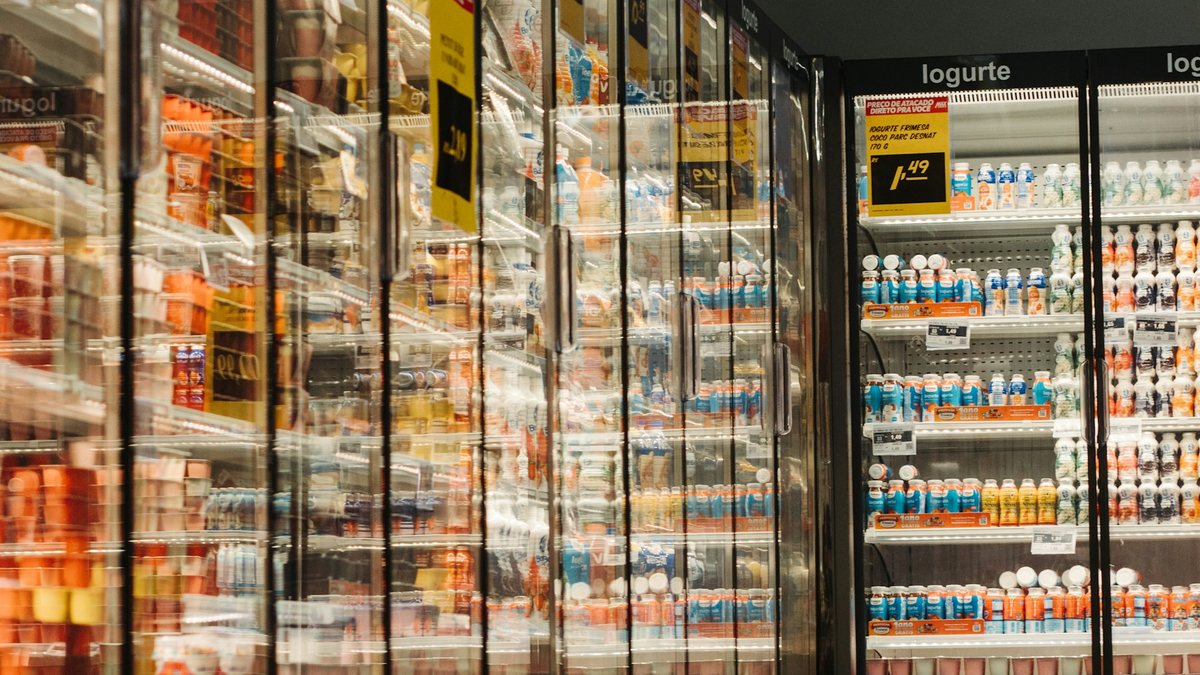
Hackers have struck supermarket fridges and freezers again, this time across several European countries. On the night of November 1 to 2, 2026, stores in Belgium, Luxembourg, Sweden and Estonia found their cold storage heating up, with some units reportedly set to 50°C (122°F). It comes just three weeks after a similar attack hit hundreds of supermarkets in France. Here’s what happened, who was hit, and what shoppers should know.
What happened?
According to ABC News and Tom’s Hardware, attackers remotely took control of refrigeration systems overnight and switched them into defrost mode, overriding the normal temperature and time limits. Instead of keeping food cold, the units heated up.
- In Belgium, the attack reportedly began around midnight on Sunday, according to the Belga news agency.
- At one ICA store in Stockholm, the attack began at 2 a.m. and staff noticed it at 5:30 a.m. By then, all its freezers were broken.
- One ICA store posted that its fridges and freezers had been “hacked” and set to 50°C.
Staff were seen throwing away carts full of food. Tom’s Hardware estimates millions of dollars’ worth of food was destroyed, although no official total has been published.
Which supermarkets were hit?
- Ahold Delhaize (Netherlands-based): incidents in dozens of stores in Belgium and Luxembourg. Its refrigeration contractor, Sabcobel, called it a cyberattack and estimated at least 20 units were affected.
- Colruyt (Belgium): fridge systems attacked in five shops that operate as Spar franchises.
- Carrefour and Spar: also named among affected chains in Belgium.
- ICA and Coop (Sweden): ICA reported problems in a limited number of stores; Coop said six stores were affected.
- Ikea: one Belgian store had a refrigeration problem it blamed on a cyberattack, and some food was removed from shelves.
- Estonia: an unnamed supermarket chain was hit, with temperatures set to 50°C, according to the CEO of refrigeration firm Kitman Coldtech.
Some later reports also mentioned stores in Ireland and the Netherlands, but these have not been fully confirmed.
“We are extremely sad and working hard to get everything back up and running.” ICA Kvantum store, on Facebook
The first attack: France in October
This is the second wave. On October 12, 2026, hackers hit refrigeration systems in French supermarkets, according to CBS News and AFP:
- Intermarché: at least 300 shops, including Netto stores
- Coopérative U: over 100 outlets
- Carrefour: 80 supermarkets, according to Reuters
- E. Leclerc: several stores
Paris prosecutors said the attack caused fires, and opened an investigation into a “large-scale cyberattack.” Coopérative U’s CEO called it “unprecedented.”
In France, a source said control systems made by Danish company Danfoss were targeted. Danfoss said most affected equipment was older (legacy) products that no longer get security updates, naming its AK-SM800 and AK-SC355 controllers. France’s cybersecurity agency found a weakness in the software and contacted the company. It has not been confirmed whether the same equipment was used in this week’s attacks.
Who is behind it?
Nobody knows yet. No group has claimed responsibility, and authorities have not named a suspect. EU food commissioner Christophe Hansen called the incidents “a deliberate attempt” to undermine consumer confidence, but said there is currently no risk to the EU’s food security.
How are hackers getting in?
The exact method for this week’s attacks hasn’t been made public. But experts point to a common problem: many shop systems, like fridge controllers, are connected to the internet so they can be managed remotely, and some run old software that is no longer patched. These are called operational technology (OT) devices, because they control physical machines.
Sweden’s national cybersecurity chief, John Billow, said many exposed OT devices in Sweden need updating or patching. Ahold Delhaize CEO Stephan Moelans said the company is working to protect its fridges, but some physical changes to equipment are needed. In the meantime, it recommends moving units to a secure internet connection.
Attacks are also getting faster as criminals use AI tools, as we saw in the recent Chainalysis breach involving AI agents.
Is food in the shops safe?
The affected stores threw away fresh and frozen food that warmed up, and authorities say there is no wider food security risk. Still, if you shop in an affected country, these simple habits help:
- Check frozen food before buying. Avoid packs that feel soft, are covered in frost or ice crystals, or look like they have thawed and refrozen.
- Check chilled products like milk, meat and yogurt. They should feel cold, and packaging shouldn’t be swollen.
- Look at the display thermometer if the fridge has one.
- Tell staff if a fridge or freezer feels warm.
- When in doubt, leave it out. Don’t buy or eat chilled food that seems warm.
What it means for businesses
Any business with internet-connected equipment, from fridges to heating systems and cameras, can learn from this:
- Don’t expose control systems directly to the internet. Put them behind a VPN or a secure network.
- Replace or isolate old devices that no longer receive updates.
- Change default passwords and use strong, unique ones.
- Set up temperature alarms that alert staff by phone, especially overnight.
The same risk applies at home: our guide on smart TV privacy shows how connected devices can be a weak point.
Frequently asked questions
What happened to supermarket fridges in Europe?
On the night of November 1 to 2, 2026, hackers took control of refrigeration systems in supermarkets in Belgium, Luxembourg, Sweden and Estonia, switching them to defrost mode and heating some units to 50°C.
Which supermarkets were affected?
Reported chains include Ahold Delhaize (Delhaize), Colruyt-run Spar stores, Carrefour, ICA, Coop and an Ikea store in Belgium, plus an unnamed chain in Estonia.
Who is behind the supermarket fridge cyberattack?
No one has claimed responsibility, and authorities have not named a suspect. The EU’s food commissioner called it a deliberate attempt to undermine consumer confidence.
Is it safe to buy frozen food now?
Affected stores removed spoiled food, and the EU says there’s no risk to food security. As a precaution, check that frozen and chilled items feel properly cold and haven’t thawed before buying.
Sources
- Cyberattack on fridges hits supermarket chains across Europe (ABC News)
- Supermarket freezers across Europe struck in second crippling cyberattack (Tom's Hardware)
- Hackers turn up the heat in refrigerators at hundreds of supermarkets in France (CBS News)
- Fresh wave of fridge cyberattacks hits European supermarkets (France 24)