AI-designed virus given to patient with drug-resistant infection: what we know
Start-up Radical Numerics says a patient with an antibiotic-resistant E. coli infection received phages designed by its AI model, Omnii-1. Here's how it works and what's still unknown.

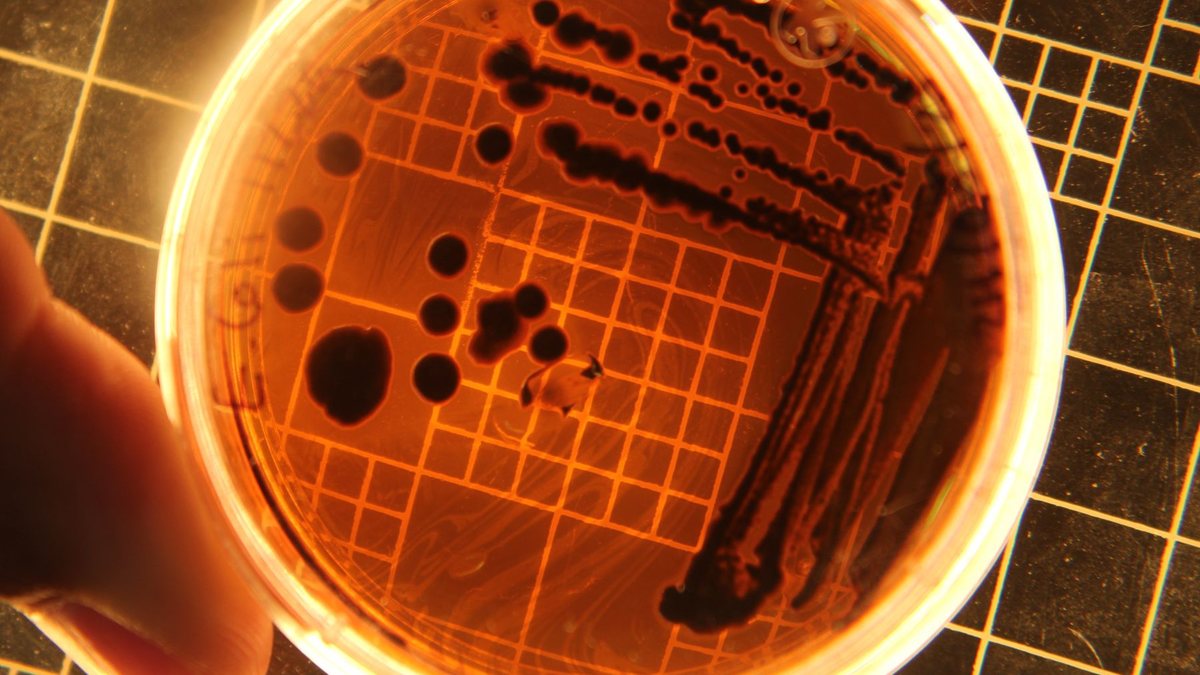
For the first time, a patient has reportedly been given a virus designed with help from artificial intelligence to fight a dangerous infection. San Francisco start-up Radical Numerics says its AI model designed bacteriophages (viruses that attack only bacteria) for a patient whose infection did not respond to antibiotics. It is an exciting step, but there is a lot we still don’t know.
What happened?
In a technical report published on October 20, 2026, Radical Numerics said a patient with an antibiotic-resistant E. coli infection received phages designed with its AI model, called Omnii-1. The New York Times reported the news the same day.
According to the company, the infection had also resisted existing phage therapies. Doctors gave the treatment under the US Food and Drug Administration’s compassionate use program, which allows experimental treatments for seriously ill patients when other options have failed.
What are phages, and why do they matter?
Bacteriophages, or “phages” for short, are tiny viruses that infect and kill bacteria. They do not infect human cells. Each phage usually attacks only certain types of bacteria, which makes them very precise.
Phages matter because of antibiotic resistance. Many bacteria have evolved to survive common antibiotics, and these “superbugs” are a growing global health threat. Phage therapy is one possible alternative, but finding the right phage for a specific infection can take weeks or months of searching.
How did the AI help?
Omnii-1 is a genome model trained on data about how phages and bacteria interact. Here is the basic process, according to the company’s report and media coverage:
- Find what to change. The AI identified parts of the phage’s DNA to edit, focusing on the “tail fibre” proteins the virus uses to grab onto bacteria.
- Design new versions. Researchers changed the gene for a tail fibre protein (called gp17) of a well-known phage, T7, while keeping the rest of the virus intact. The New York Times compared the result to a “microscopic Apollo lunar lander” with redesigned landing legs.
- Rank and test. The AI ranked the designs, and the best ones were tested in the lab. According to reports, the engineered phage mix destroyed a sample of the patient’s bacteria in lab tests.
In separate testing against 37 E. coli strains the model had not seen before, the company says Omnii-1 beat two specialized prediction systems and could cover 91.4% of eligible strains with just two phages.
“Observations from a single patient cannot establish safety or efficacy.” Radical Numerics report authors
Did the treatment work?
We don’t know. Radical Numerics has not shared the patient’s outcome, citing patient privacy and confidentiality agreements. Other important points to keep in mind:
- Not peer-reviewed: the results are in a company report, not a scientific journal. The authors say they plan to submit it for review.
- Lab results are not the same as results in a person: killing bacteria in a dish does not prove a treatment works inside the human body.
- Not approved: the therapy is experimental and is not approved for general use.
Independent experts are cautious. Evolutionary microbiologist Brandon Berryhill said lab experiments cannot reliably predict how a synthetic phage will behave in a complex human infection. Microbiologist Michael Baym reportedly said he would wait for trial results and an independent review before judging.
Why this is still a big deal
Even with the unknowns, this is an important moment for AI in medicine. Until now, most AI-in-biology news has been about predictions on a computer. This is one of the first cases where an AI-designed biological treatment has reportedly reached a patient.
AI could speed up the design stage of phage therapy from weeks to days. Making, testing and safety-checking a treatment still takes time, but faster design could matter a lot for patients who are running out of options. It fits a wider trend of AI moving into health and science, like Microsoft’s AI diagnosis system and Google DeepMind’s AI weather forecasts.
What it means for you
- It’s not available to the public. This was a single experimental case under special FDA rules.
- Watch for peer review. The real test will be published, independently checked results and proper clinical trials.
- Antibiotic resistance is real. Simple habits help everyone: take antibiotics only when a doctor prescribes them, and finish the course as directed.
- Be careful with headlines. “AI cures superbug” claims go further than the evidence right now.
Frequently asked questions
What is an AI-designed phage?
It is a bacteriophage (a virus that kills bacteria) whose DNA was edited based on suggestions from an AI model. In this case, Radical Numerics’ Omnii-1 model suggested changes to help the phage attach to a specific drug-resistant E. coli strain.
Are phages dangerous to humans?
Phages infect bacteria, not human cells, and phage therapy has been used experimentally for many years. However, every new or engineered phage still needs careful safety testing.
Did the patient recover?
The company has not shared the patient’s outcome, citing privacy. So it is not known whether the treatment helped.
Can I get AI-designed phage therapy?
Not at the moment. It is an experimental treatment that has not been approved by regulators. Phage therapy is generally only available through clinical trials or special compassionate-use programs.