Why laptops and PCs are getting more expensive in 2026 (and what you can do)
AI data centers are buying up memory and storage chips, pushing up the cost of laptops and PCs. HP, Asus and Acer are even moving production back to China. Here's why prices are rising and smart buying tips.

If you’ve been shopping for a new laptop or PC, you may have noticed prices creeping up. You’re not imagining it. In 2026, artificial intelligence is making everyday computers more expensive. Here’s why, and what you can do about it.
The simple reason: AI is eating the memory supply
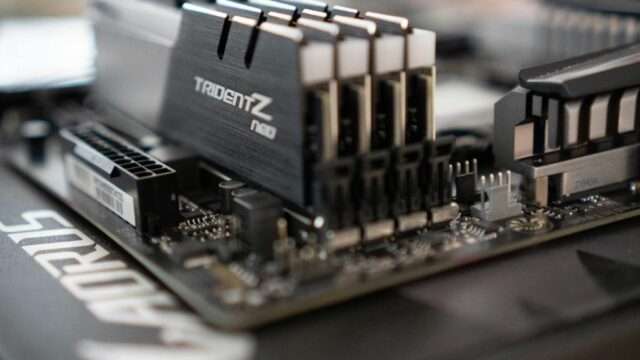
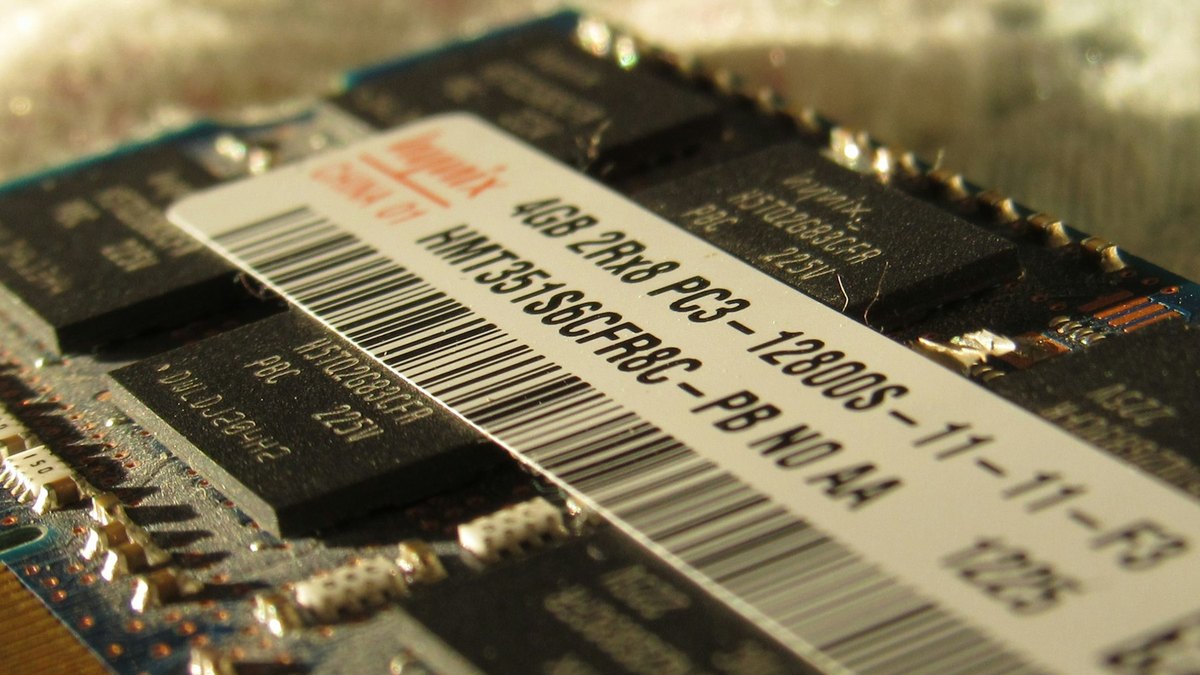
Every computer needs memory (RAM) and storage (SSD). The same kinds of chips are also needed, in enormous amounts, by the AI data centers that power chatbots like ChatGPT, Gemini and Claude.
- Three companies (Samsung, SK Hynix and Micron) make about 95% of the world’s DRAM memory.
- They’re prioritizing memory for AI servers, because AI companies pay more.
- Micron has even ended its consumer memory business.
The result: less memory for laptops and PCs, and higher prices for what’s left.
How big is the impact?
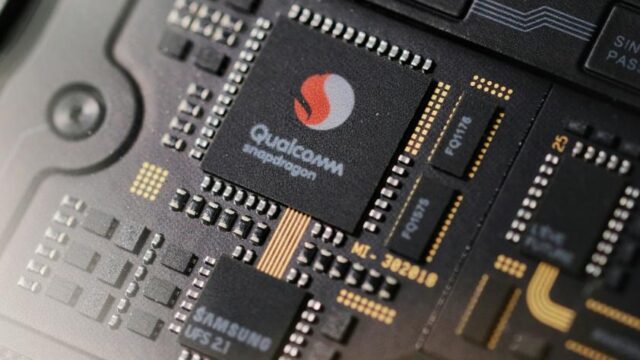
- According to market research firm TrendForce, the CPU, memory and SSD now make up about 68% of a mainstream laptop’s parts cost, up from 45% in early 2025.
- PC makers including Dell, HP, Lenovo, Acer and Asus have warned of or announced price increases.
- Microsoft said this week that its Windows and device sales fell, and blamed higher memory and storage costs.
Why are PC makers moving production back to China?
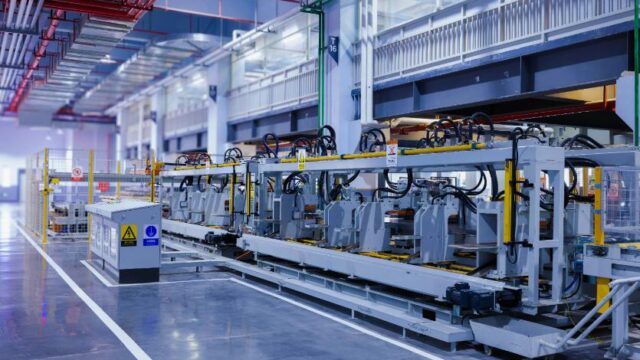
According to Nikkei Asia, HP, Asus and Acer are moving some PC production from Thailand and Vietnam back to China, and Dell is reportedly considering it. Reasons include:
- Cheaper manufacturing: some Chinese factories offer lower upfront costs, such as waiving tooling fees.
- Local memory chips: Chinese factories have access to memory from Chinese makers such as CXMT, which can be easier to get during the shortage.
- Big factories are busy with AI: major Taiwanese manufacturers are focusing on more profitable AI servers.
This partly reverses the “China+1” strategy many companies followed in recent years.
The AI boom isn’t just changing software. It’s changing the price of the laptop on your desk.
Will prices go down soon?
Probably not quickly. New memory factories take years to build, and AI demand keeps growing. TrendForce expects global laptop shipments to fall in 2027 if higher prices are passed on to buyers. Some relief could come as Chinese memory makers expand production, but there’s no clear date.
7 tips to buy smart in 2026
- If you need a laptop now, don’t wait too long. Prices are more likely to rise than fall in the near term.
- Buy enough RAM upfront. Many laptops can’t be upgraded later. 16GB is a sensible minimum for most people.
- Look at last year’s models. Older stock may have been built before the price rises.
- Watch for sales events, such as Black Friday and back-to-school deals.
- Consider certified refurbished laptops from the maker or trusted sellers. They usually come with a warranty.
- Check specs carefully. Some makers may cut corners (less RAM or storage) to keep prices down.
- Upgrade instead of replacing. If your current PC can take more RAM or a bigger SSD, upgrading may cost less than buying new.
Frequently asked questions
Why are laptops so expensive in 2026?
Mainly because AI data centers are buying huge amounts of memory and storage chips, causing shortages and higher prices for PC makers, who pass costs on to buyers.
Are RAM prices still rising?
Memory prices have risen sharply since late 2025, and the shortage is expected to continue while AI demand stays high.
Should I buy a laptop now or wait?
If you need one, buying sooner is often better, since prices may keep rising. Look for sales, older models or refurbished options to save money.
Why are HP, Asus and Acer moving production to China?
To lower costs and get easier access to memory chips, according to Nikkei Asia.
Sources
- AI-driven component costs push HP, ASUS, Acer to shift some PC production back to China (TrendForce)
- HP and Asus shift some PC making back to China due to AI-driven cost hikes (Nikkei Asia)
- Acer exec on plans to bypass the big three memory makers (Tom's Guide)
- Acer and Asus will also pass on surging memory costs to the consumer (PC Gamer)
- Microsoft's stock rises on earnings beat (SiliconANGLE)