Japan launches MMX, the first mission to bring back soil from a moon of Mars
JAXA's spacecraft lifted off on an H3 rocket and is now heading to Mars. It aims to land on Phobos and return samples to Earth in 2031.

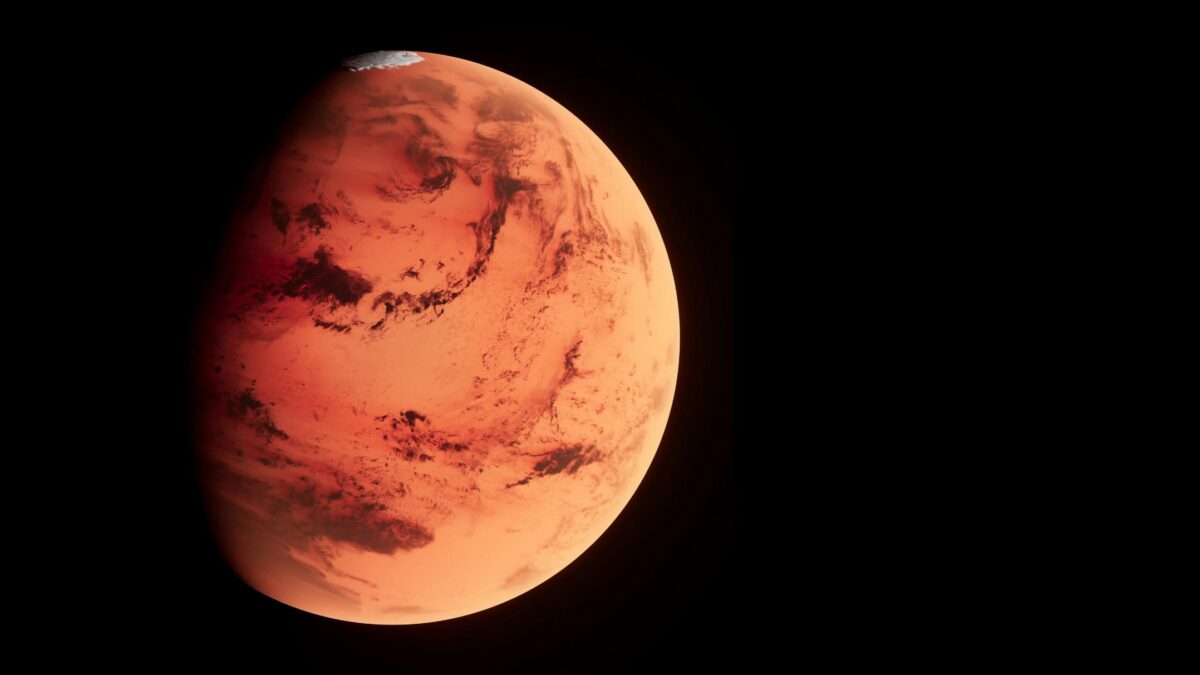
Japan has launched one of the most ambitious space missions of the decade. The Martian Moons eXploration (MMX) spacecraft lifted off on Japan’s H3 rocket from the Tanegashima Space Center at 19:41 UTC on October 19, which was early on October 20 in Japan.
About 71 minutes after launch, the spacecraft separated from the rocket as planned. MMX is now on its way to Mars.
What is MMX trying to do?
MMX, led by the Japan Aerospace Exploration Agency (JAXA), will study Mars’ two small moons, Phobos and Deimos. Its main goal is a world first: to land on Phobos, collect soil and bring it back to Earth.
Russia attempted a Phobos sample mission in 2011, but its Phobos-Grunt spacecraft never left Earth orbit.
The mission timeline
- August 2027: arrives at Mars after a cruise of about 10 months
- 2027 to 2030: maps Phobos, flies past Deimos and makes touchdowns on Phobos
- Late 2028 or early 2029: releases the small IDEFIX rover, built by France and Germany, onto Phobos
- November 2030: leaves Mars for home
- 2031: the sample capsule lands in Australia, carrying about 10 grams of Phobos material
An international team
Although MMX is a Japanese mission, several space agencies are involved:
- CNES (France) and DLR (Germany) built the IDEFIX rover.
- NASA supplied a science instrument and will receive part of the samples.
- ESA provides communication equipment and ground station support.
“The data and samples returned by MMX are a window to study the evolution of Mars and the Solar System.” — Elliot Sefton-Nash, ESA
Why Phobos matters
Scientists still don’t know where Mars’ moons came from. There are two main ideas:
- They are asteroids that were captured by Mars’ gravity long ago.
- They formed from debris after a giant impact on Mars.
Rock samples can settle this question. And because material blasted off Mars over billions of years may have landed on Phobos, the samples could even contain tiny pieces of ancient Mars.
Japan’s sample-return success story
Japan has done this kind of mission before. Its Hayabusa and Hayabusa2 spacecraft brought back material from asteroids, making JAXA one of the world’s leaders in sample return. MMX takes that experience much further from home.
We’ll follow MMX as it travels to Mars. Its next big moment is arrival in August 2027.